Research today.
Cleaner-air possibilities tomorrow.
Caregreen researches and develops air purification technology. Explore EAPICS and discuss research or development collaborations.
Air purification technology.
Caregreen’s air purification work focuses on researching and developing technologies to address air pollution. Our existing work includes the EAPICS concept, introduced in the company’s earlier development history.
- Explore the challengeDiscuss the setting, pollutants of interest and the purpose of the proposed technology.
- Develop the ideaResearch and development work examines possible approaches and their practical requirements.
- Put evidence firstTechnology-specific performance needs to be evaluated under appropriate test conditions. Discuss the available evidence and development stage with the team.
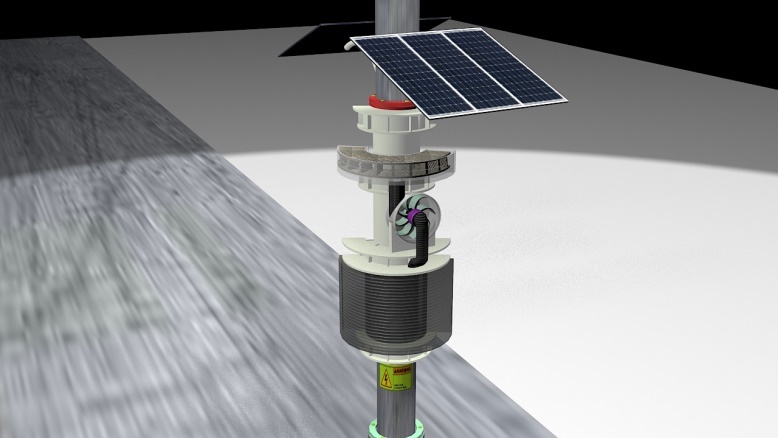
EAPICS concept design · Caregreen proposal, January 2019.
Outdoor air purification, explored in context.
Caregreen’s EAPICS research archive explores filtration within the urban environment. The January 2019 proposal includes a street-mounted unit, a solar-powered variation and illustrations of possible placement near existing street furniture.
The EAPICS gallery and concept films show these original ideas. The city illustrations describe intended applications; they do not show a verified deployment or measured pollution reduction.
Discuss a research opportunity.
A productive discussion starts with the location and air-quality challenge: which pollutants matter, what the surrounding conditions are, and what a useful evaluation would need to establish. Power arrangements, maintenance access and placement are also practical questions for development.
Contact Caregreen about the current stage of the technology and any available supporting evidence. A potential research or development collaboration would need an agreed scope, responsibilities and evaluation approach.
Research questions.
Is EAPICS available as a ready-to-buy air purifier?
This website presents research and development work, rather than a catalogue of commercial air purifiers. Ask the team about current development status and potential collaboration.
What does the solar-powered design demonstrate?
It illustrates a proposed power arrangement for the unit. It does not establish autonomous operating duration or filtration performance; these require assessment for the particular design and conditions.
Are the images evidence of cleaner air in a city?
No. The archive contains concept illustrations, including a placement study near St Paul’s Cathedral. Shaded areas are proposed coverage, not measured air-quality results.
What should I include in an enquiry?
Tell us about your organisation, location, air-quality challenge and whether your interest is research, technology development or a potential application. We consider enquiries from across the UK and internationally.